
Thousands of professionals anticipate a successful edition on the third day of València Inspira Diseño. The president of the Generalitat Valenciana, Juanfran Pérez Llorca, together with regional minister Marian Cano, visited the sector’s events this morning.
The latest developments at Espacio Cocina SICI and 360 by Cevisama explore more open and functional spaces, high-performance surfaces and solutions that discreetly incorporate technology.
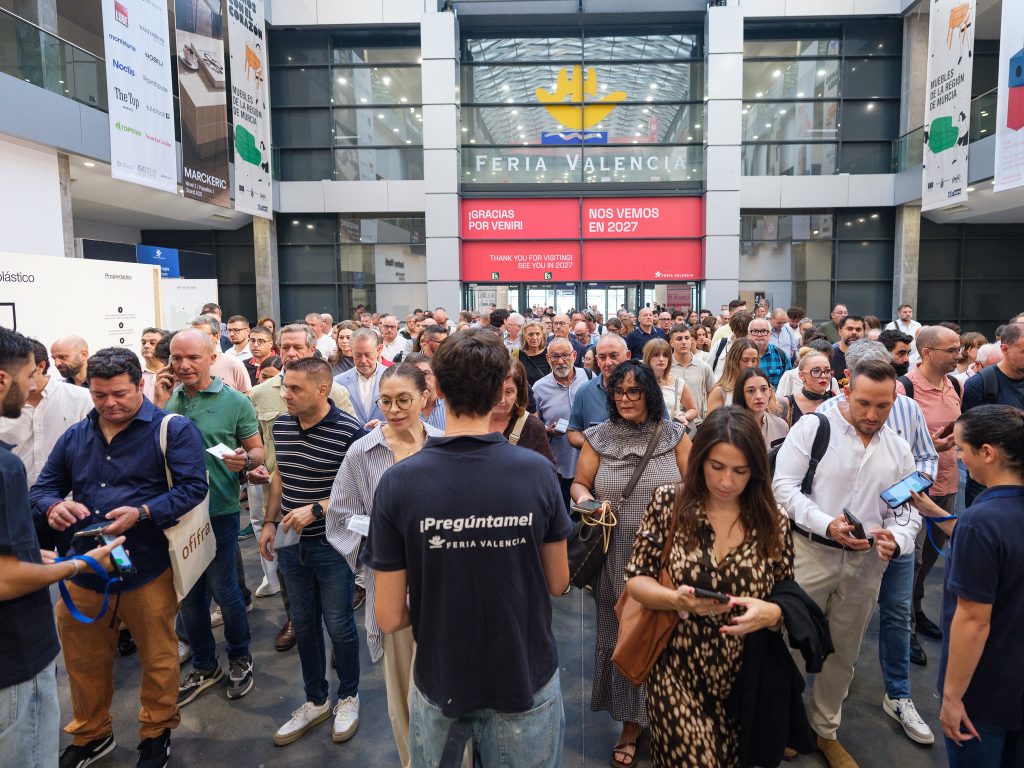
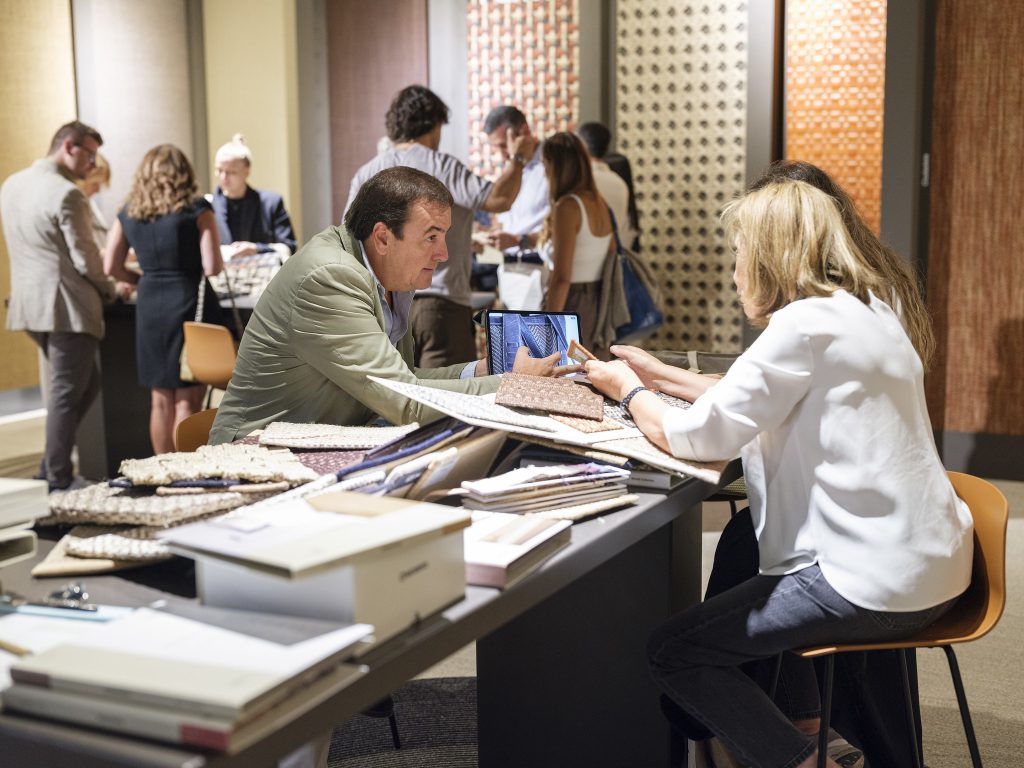
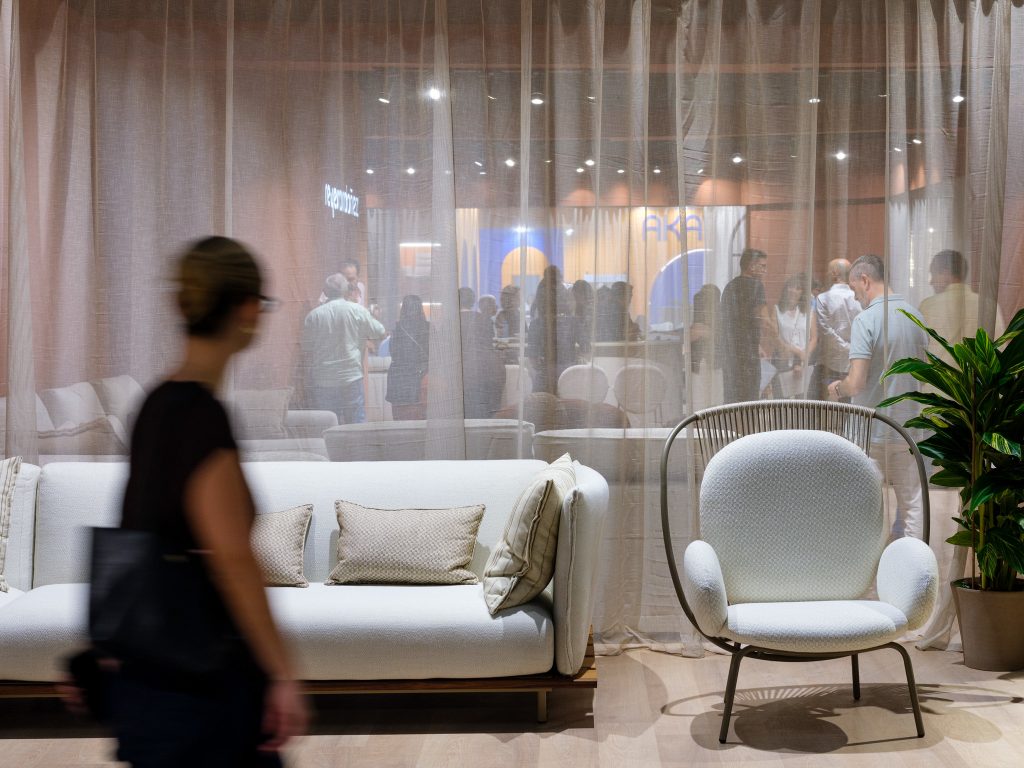
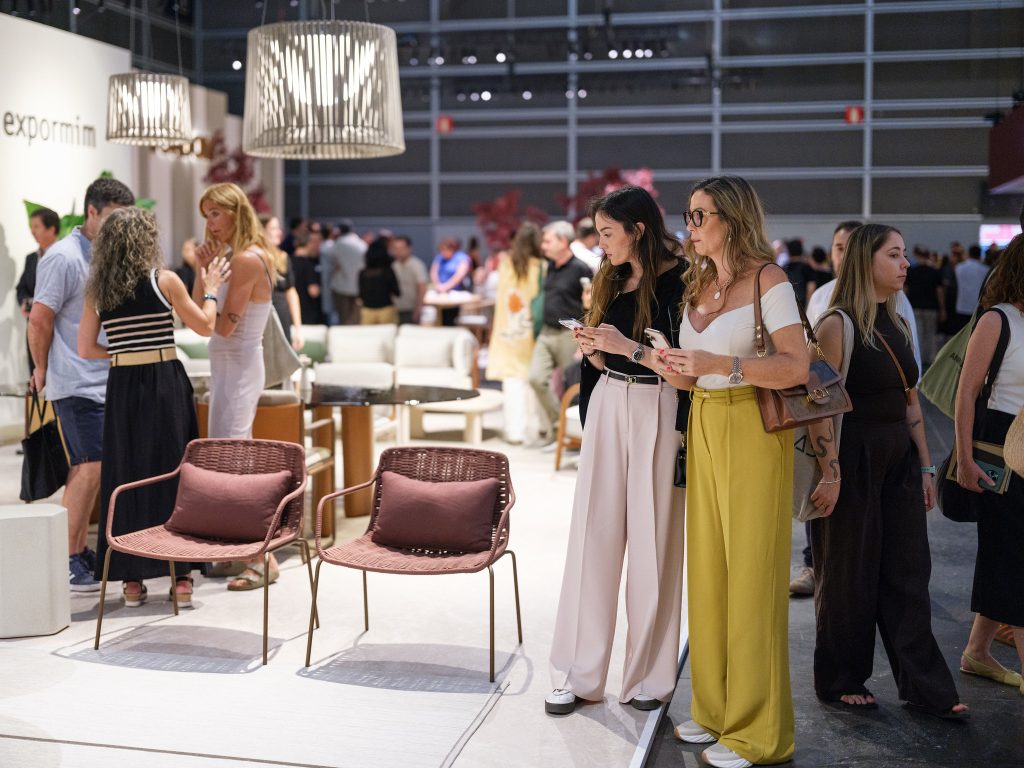
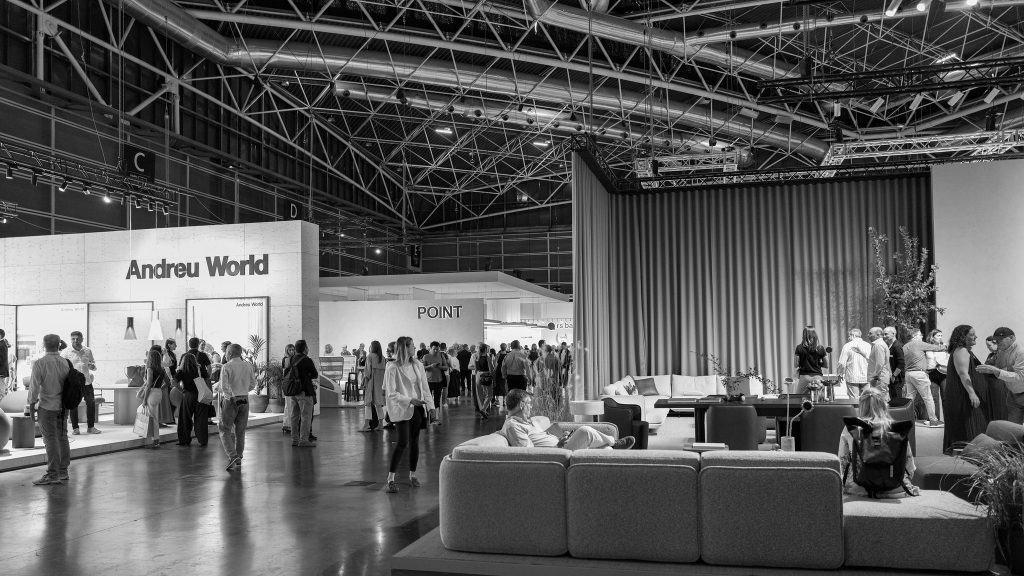
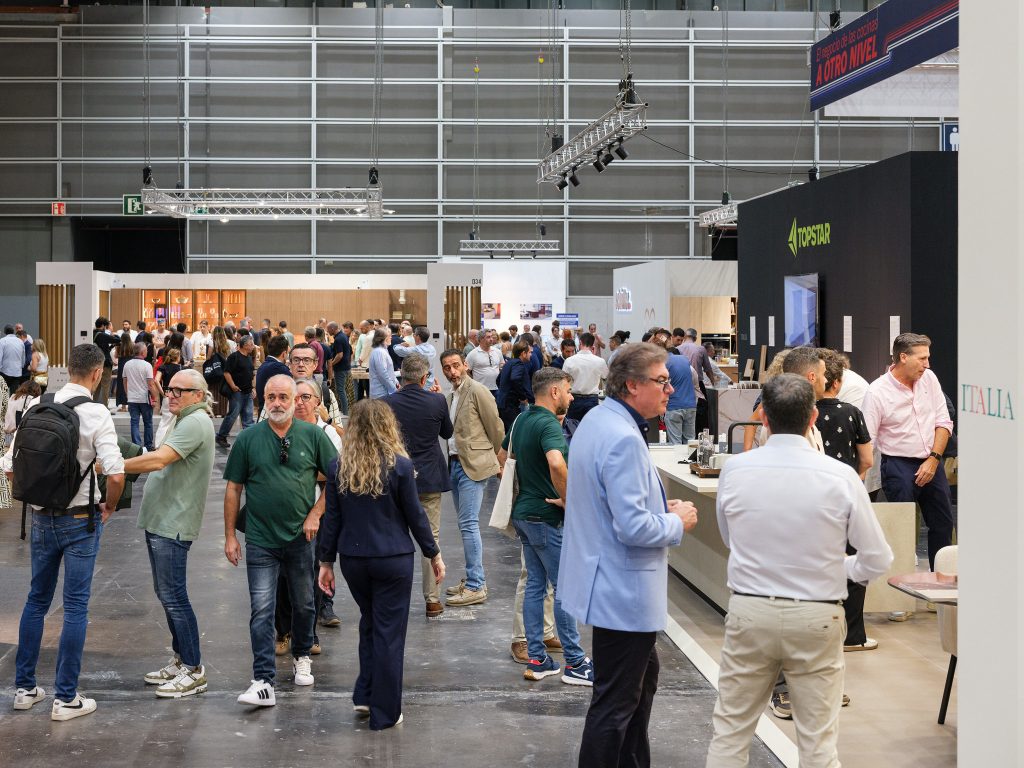
València, September 28, 2026. – The four events that make up València Inspira Diseño reached their third day today, once again marked by a high turnout of professionals, with thousands of visitors touring the pavilions at Feria Valencia and intense activity at the stands, exhibition spaces and various programme areas. Initial estimates, together with the participation and dynamism recorded during the first few days, point to a successful edition for Feria Hábitat València, Espacio Cocina SICI, Textilhogar and 360 by Cevisama, which will hold their closing day tomorrow with particularly positive prospects.
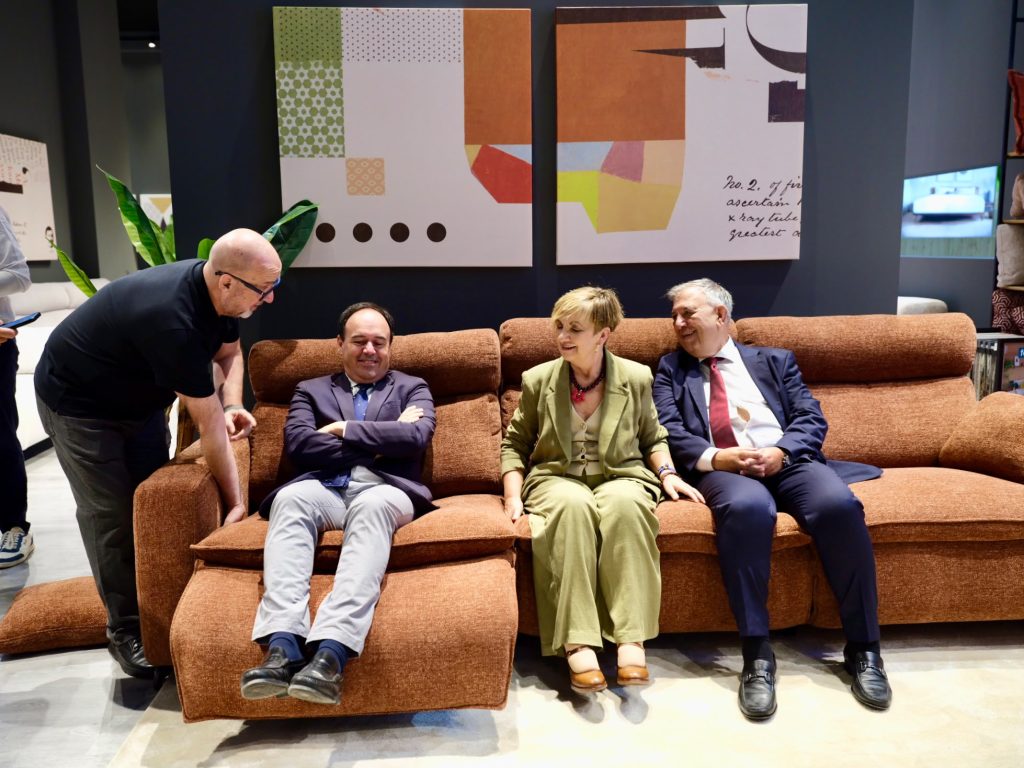
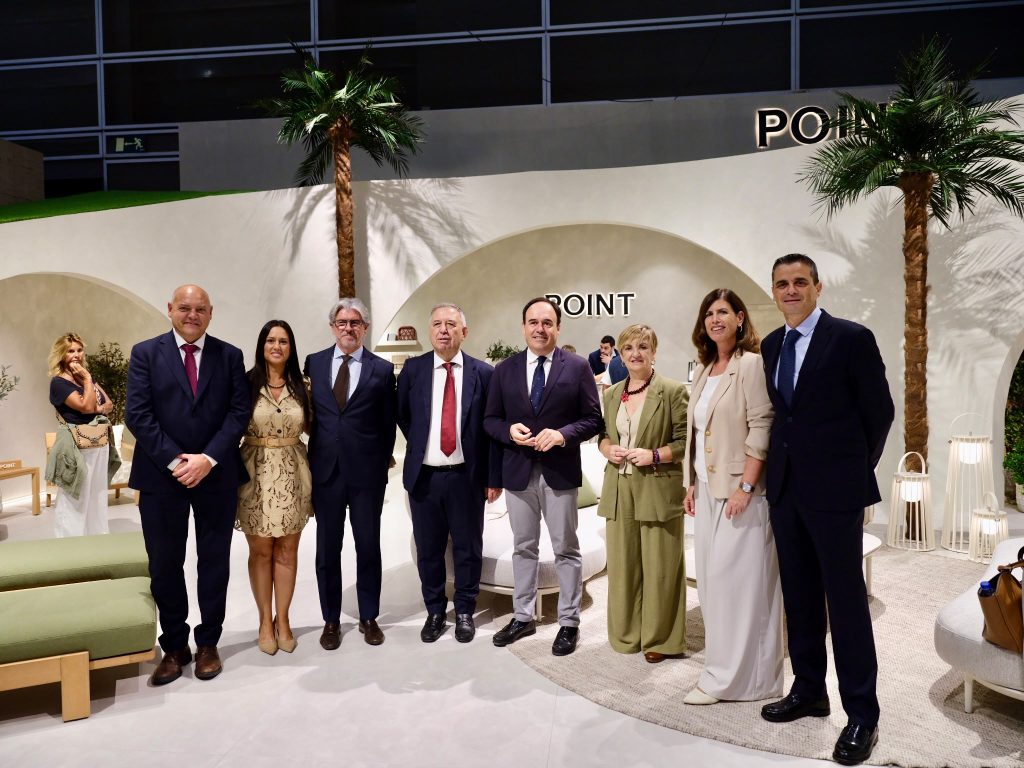
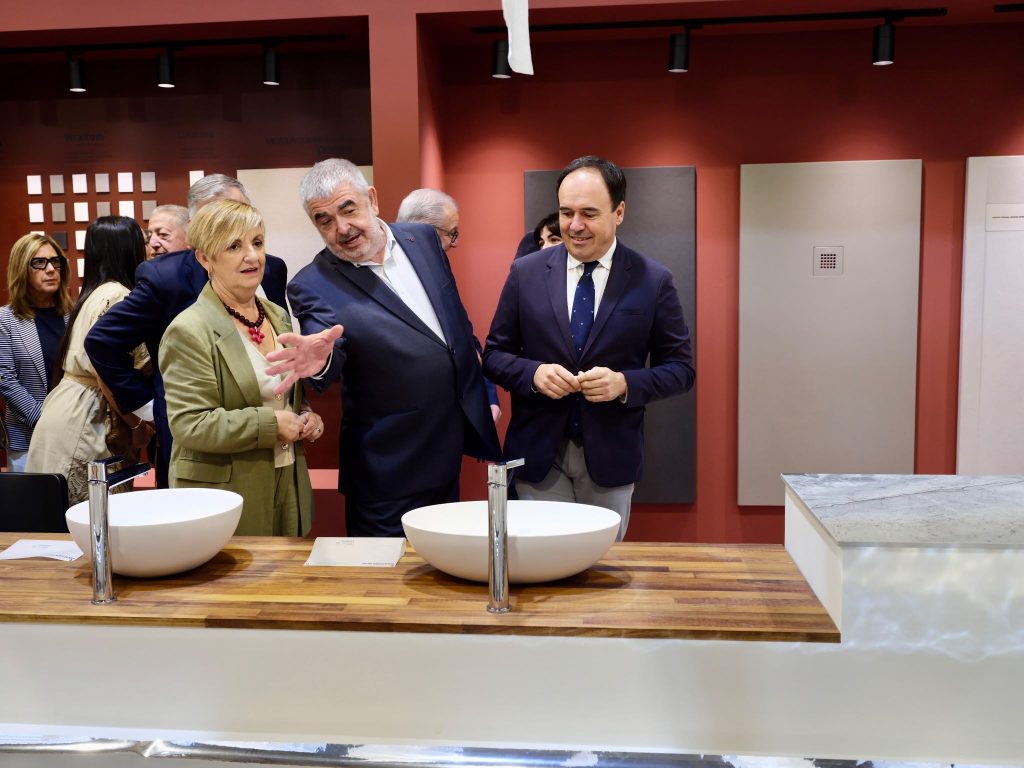
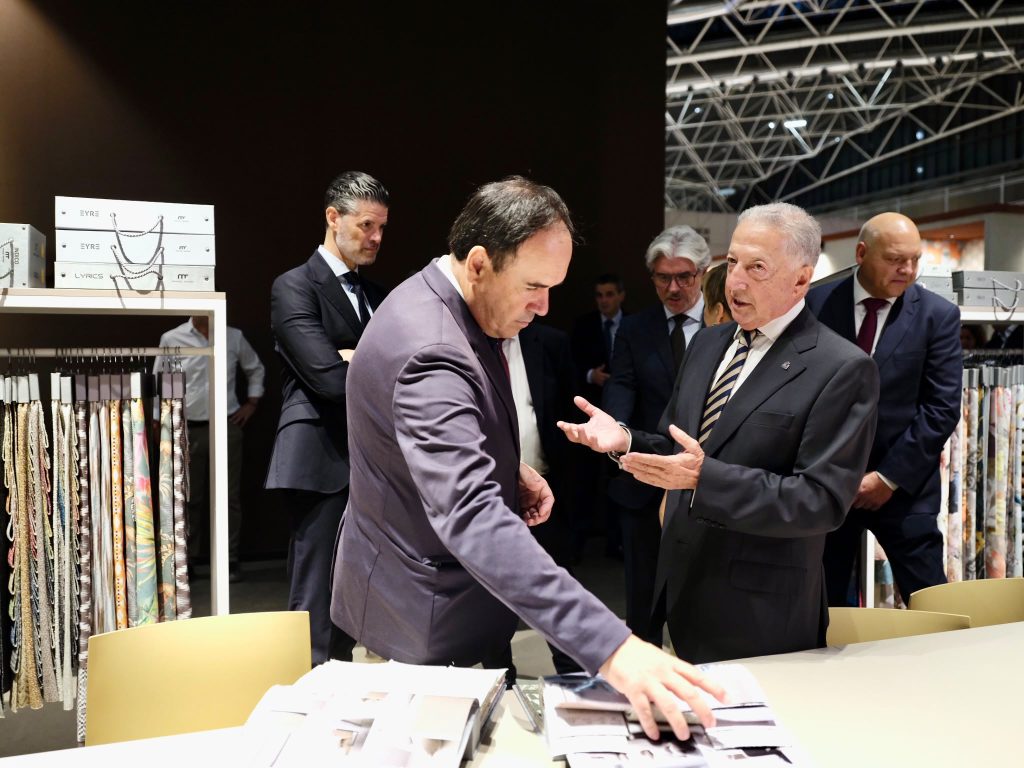
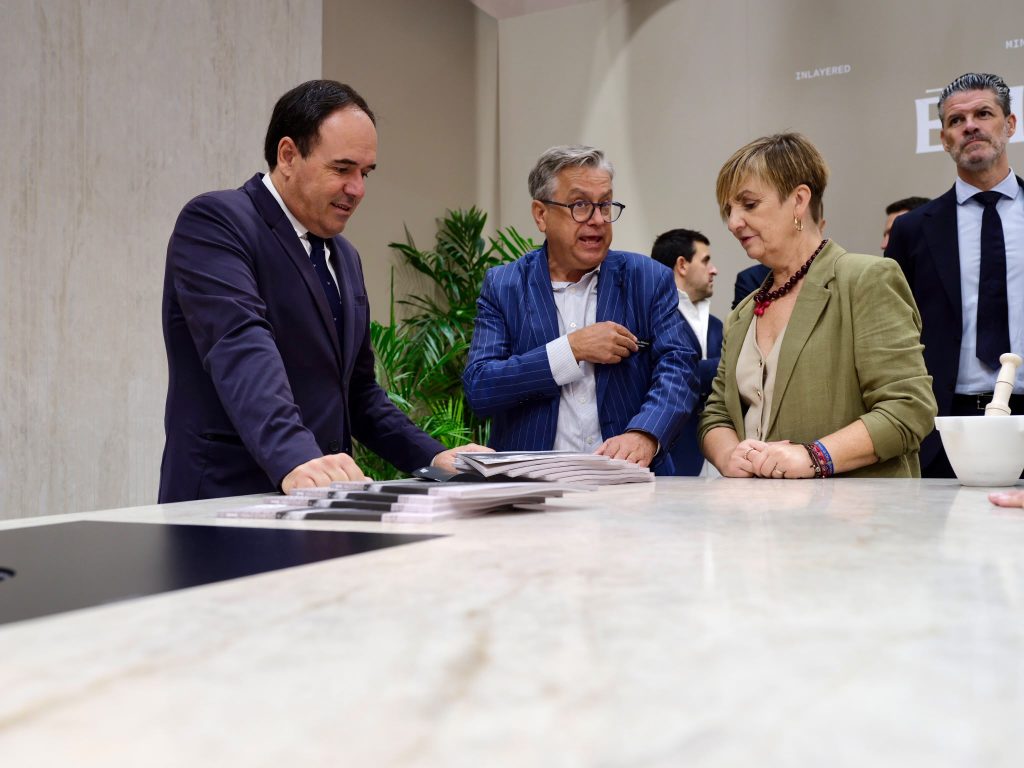
The president of the Generalitat Valenciana, Juanfran Pérez Llorca, paid an institutional visit to València Inspira Diseño this morning, during which he visited various spaces at Feria Hábitat València, Espacio Cocina SICI, Textilhogar and 360 by Cevisama. During his visit, Pérez Llorca was accompanied, among other officials, by the regional minister for Industry, Tourism, Trade and Innovation and president of Feria Valencia, Marian Cano, as well as by various institutional and industry representatives.
Trends in kitchens and bathrooms
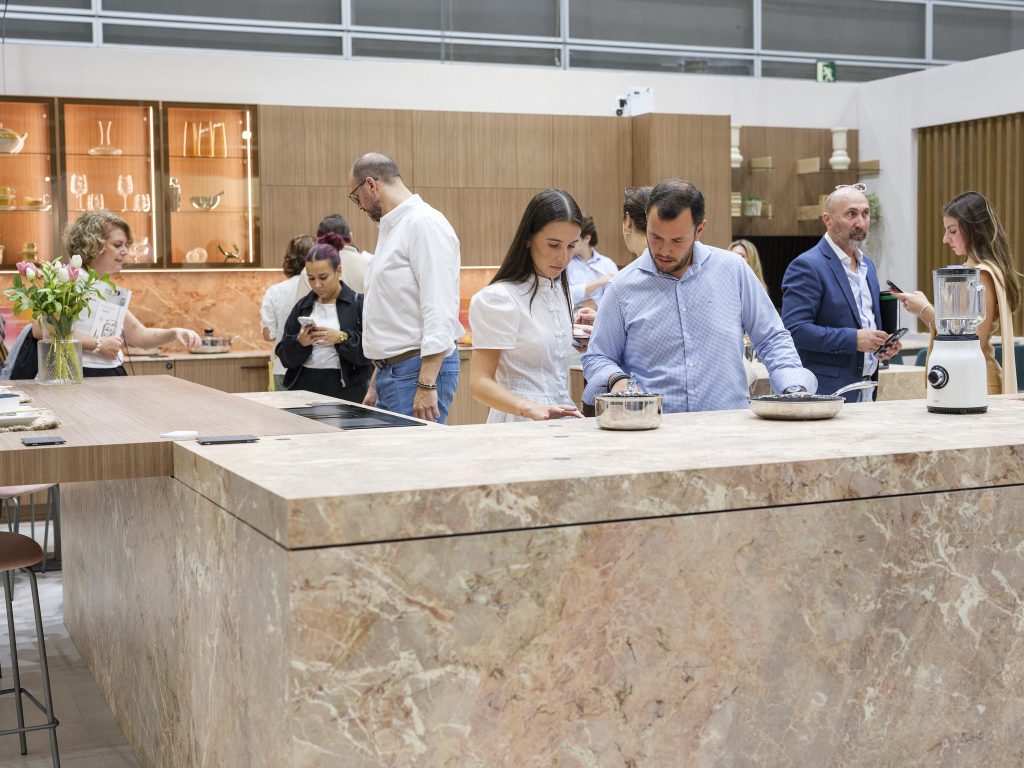
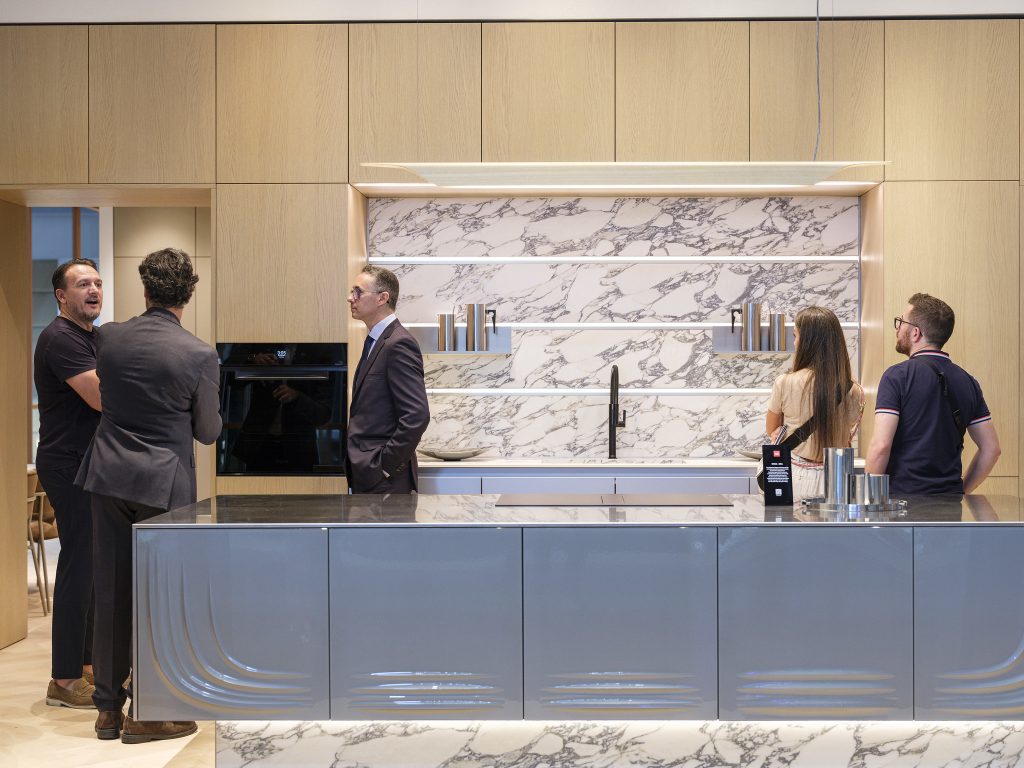
Integration between sectors, material innovation, customisation and increasingly discreet technology have shaped the main trends presented in recent days by the kitchen and bathroom industries at València Inspira Diseño. Espacio Cocina SICI and 360 by Cevisama have showcased an evolution towards more open, functional and connected spaces, in which design and performance have been integrated without compromising aesthetics.
The kitchen: technology that has disappeared
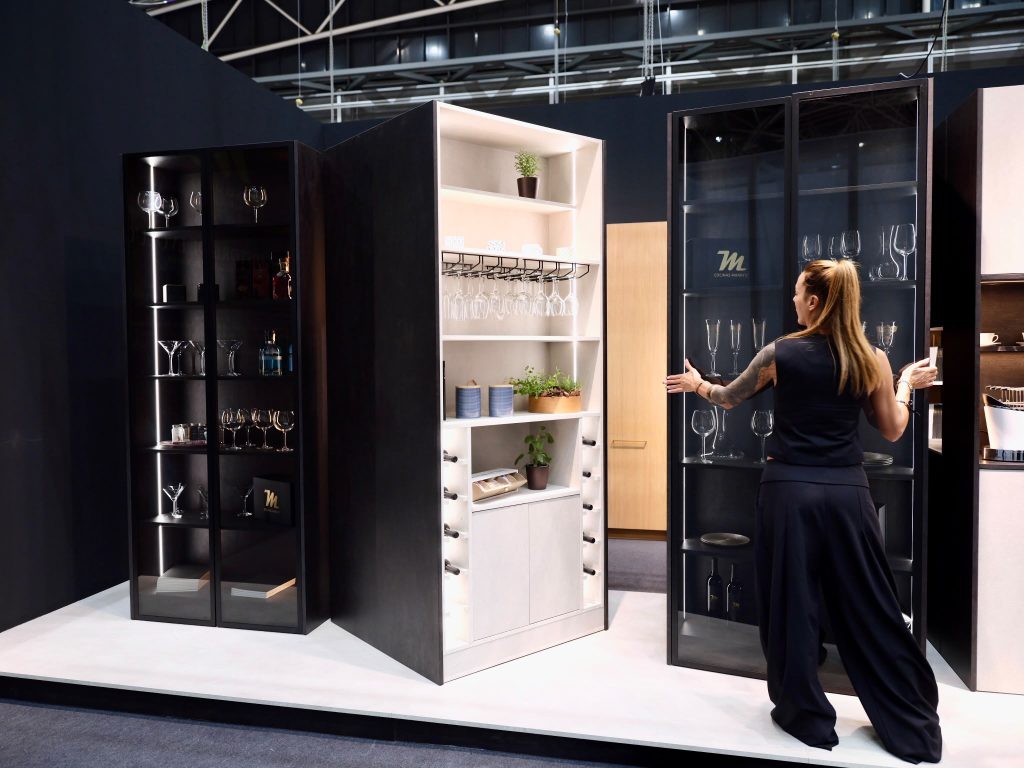
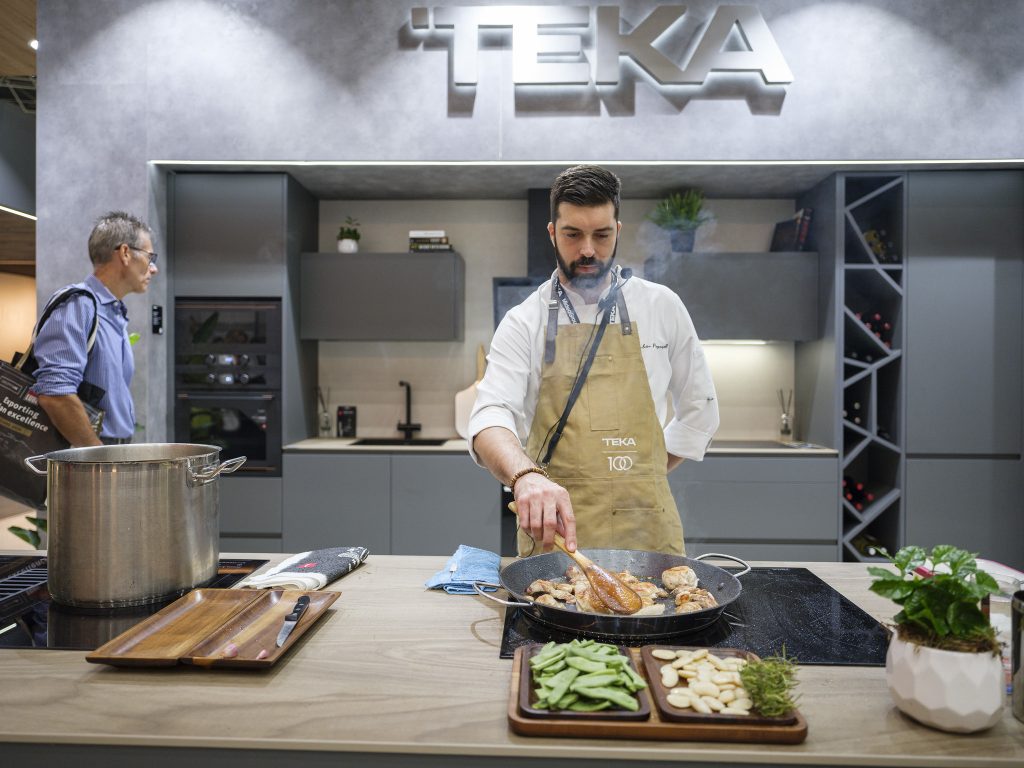
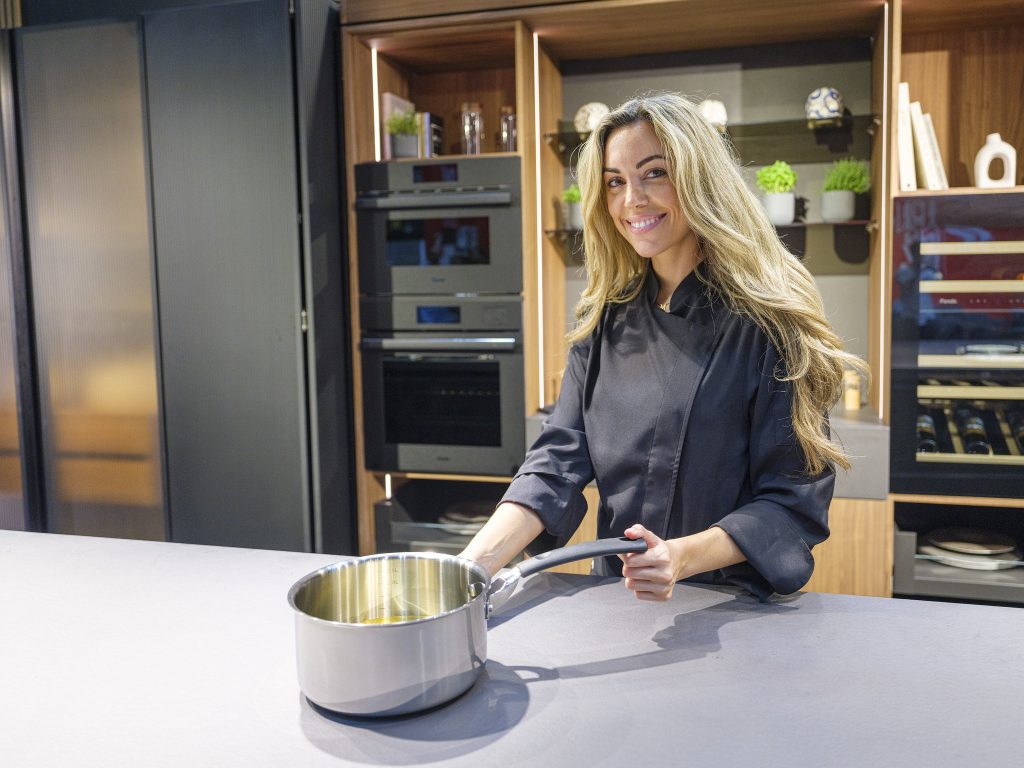
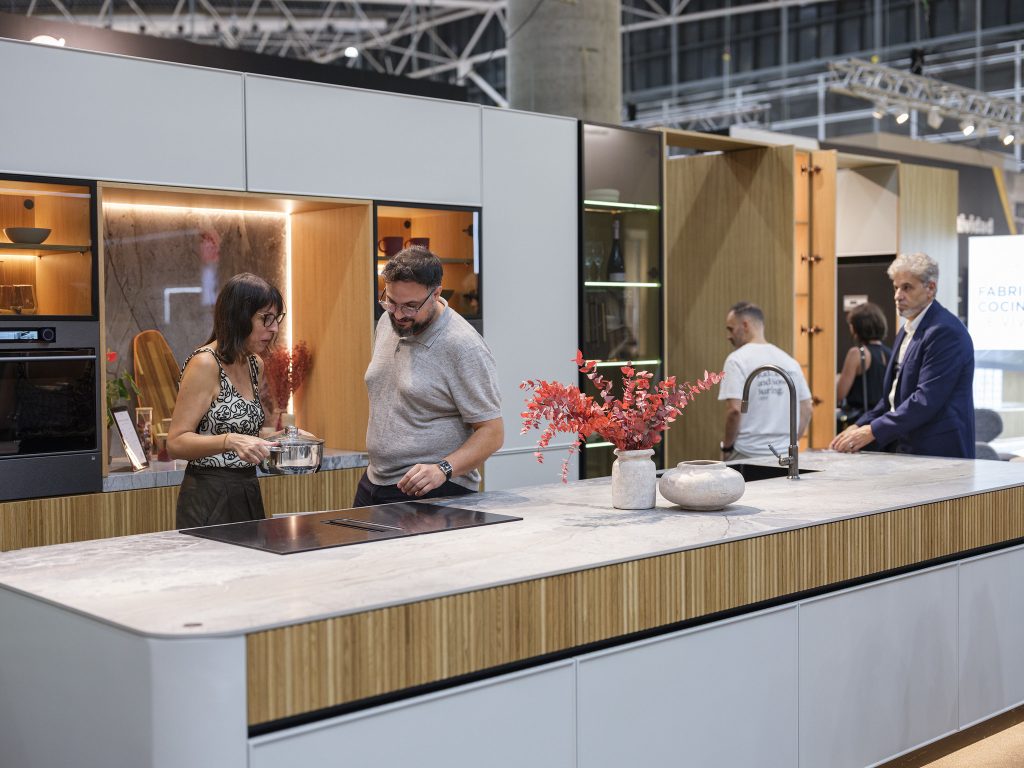
Kitchens have evolved towards increasingly integrated, technological spaces adapted to the needs of each project. Technology has been concealed, while surfaces, materials, colour and bespoke solutions have taken on greater importance in design.
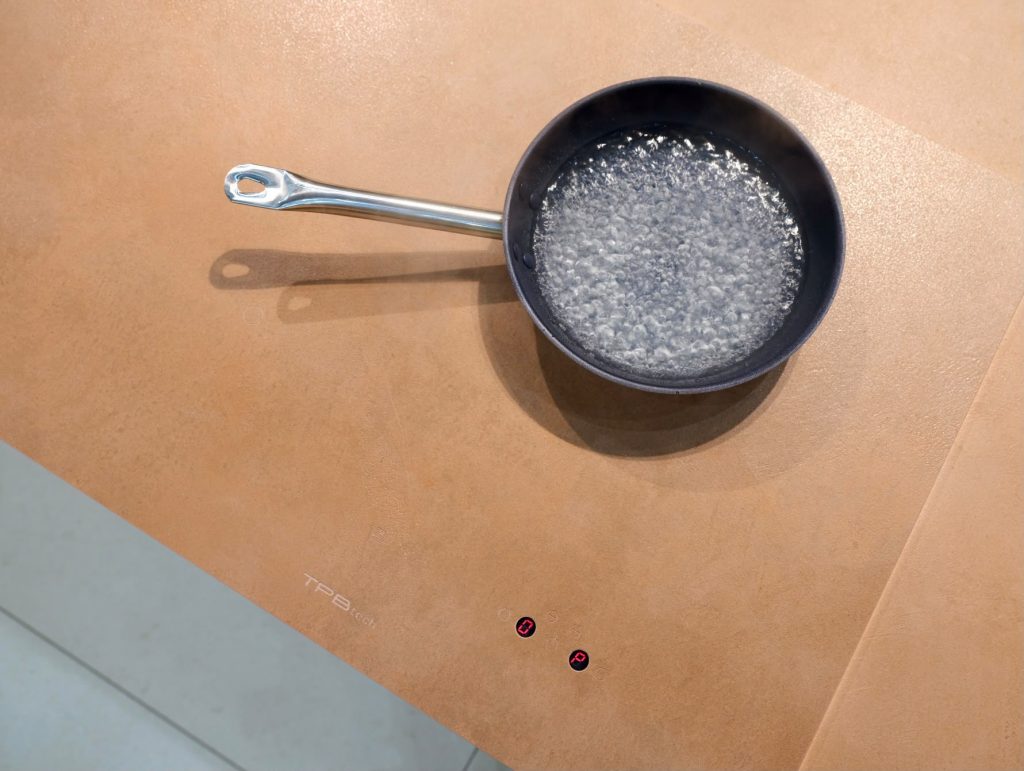
One of the main drivers has been technological integration. Among the latest developments have been completely concealed extraction systems beneath the worktop, compatible with porcelain surfaces, natural stone or wood, alongside invisible induction solutions, touch controls and wireless charging systems. The aim has been to maintain the visual continuity of surfaces without sacrificing performance.
Multifunctional appliances and systems have also gained ground, with portable vacuum devices for preserving food, sealing containers or marinating, as well as hobs with integrated extraction, connectivity and assisted cooking functions.
Space optimisation has been another of the key trends. Lift-up systems for wall units, pull-out mechanisms for lower cabinets and solutions that integrate small appliances into the furniture have made it possible to improve both capacity and accessibility.
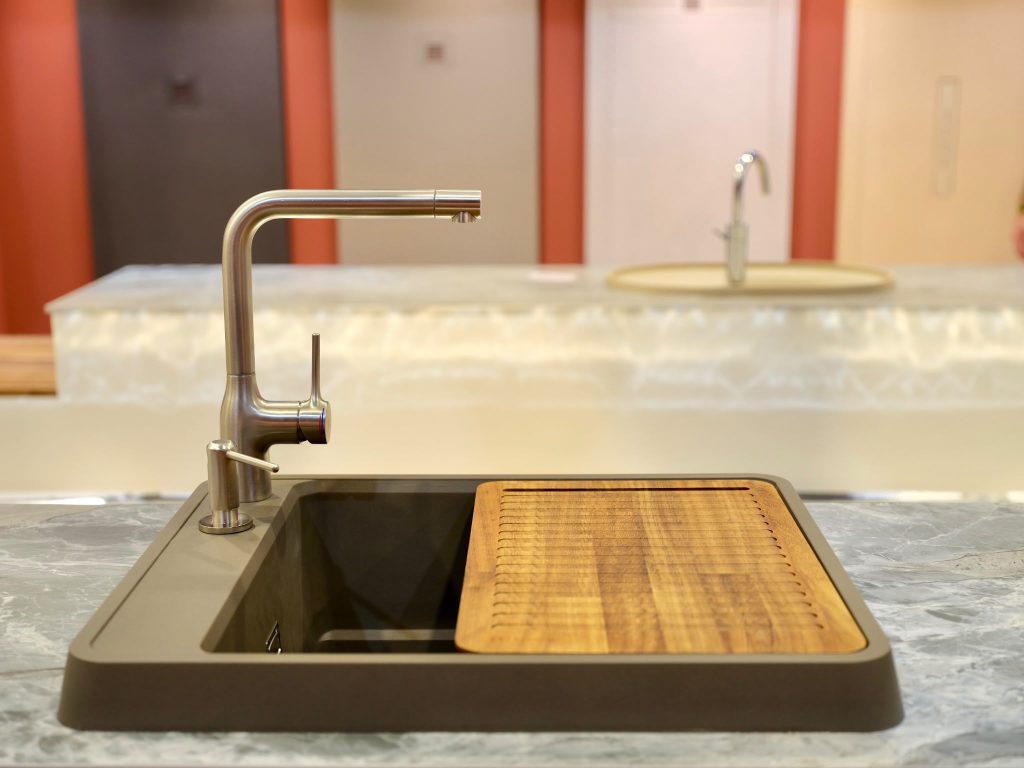
Worktops have expanded their possibilities with extra-thick options and customisable configurations, while sinks have evolved into genuine workstations that have integrated areas for washing, cutting, draining and organising.
More personal and versatile bathrooms
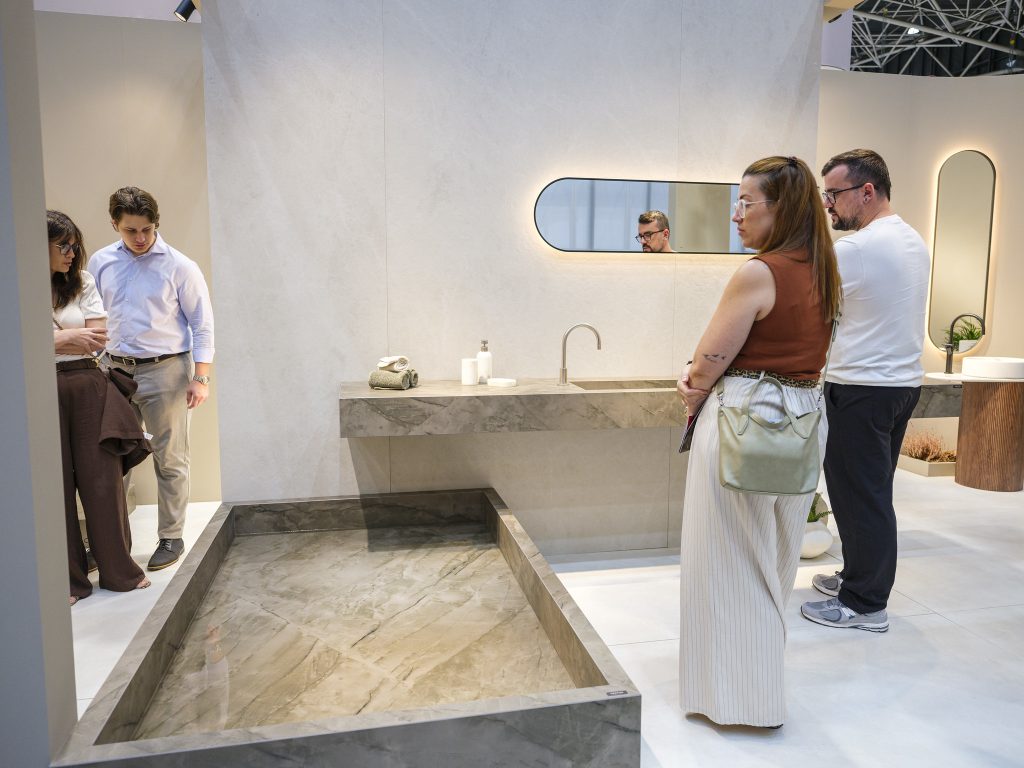
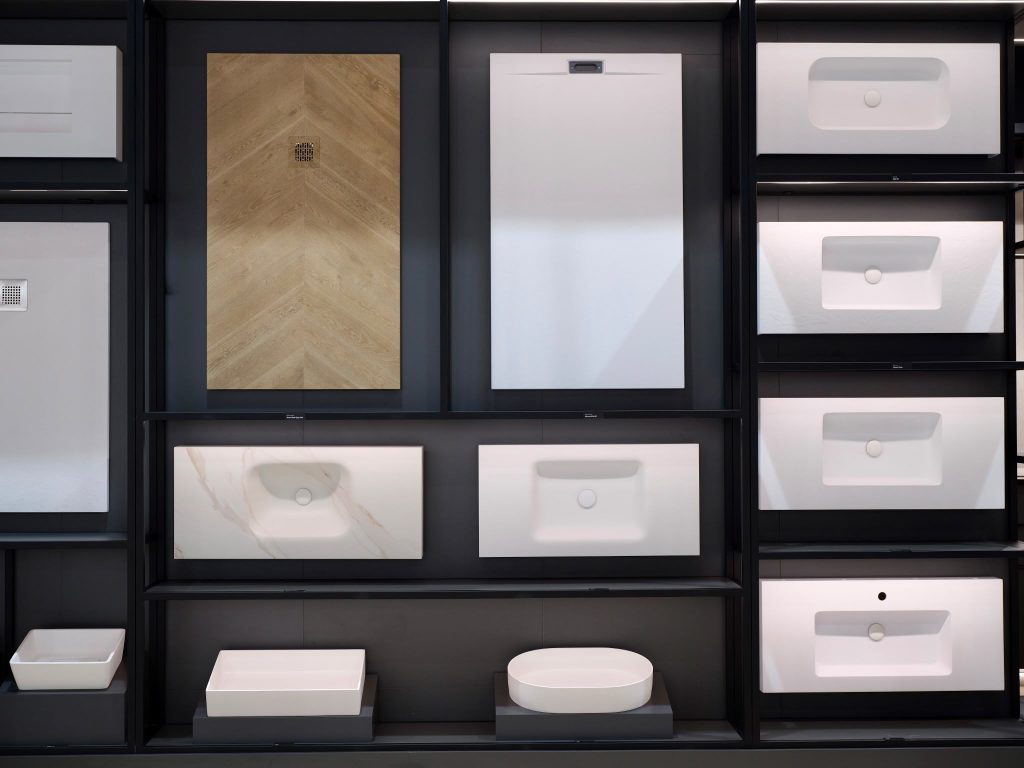
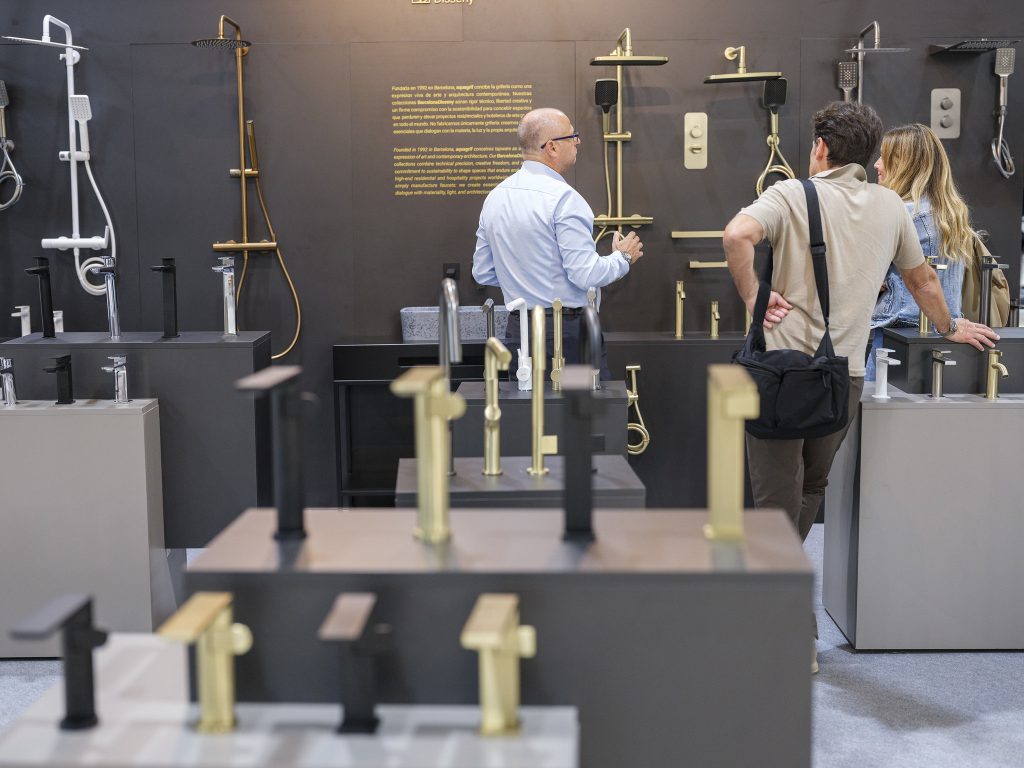
In bathrooms, there has been growing demand for solutions capable of adapting to different spaces and projects. Modular furniture, different sizes and finishes, and bespoke configurations have made it possible to meet the needs of both residential and contract and hospitality projects.
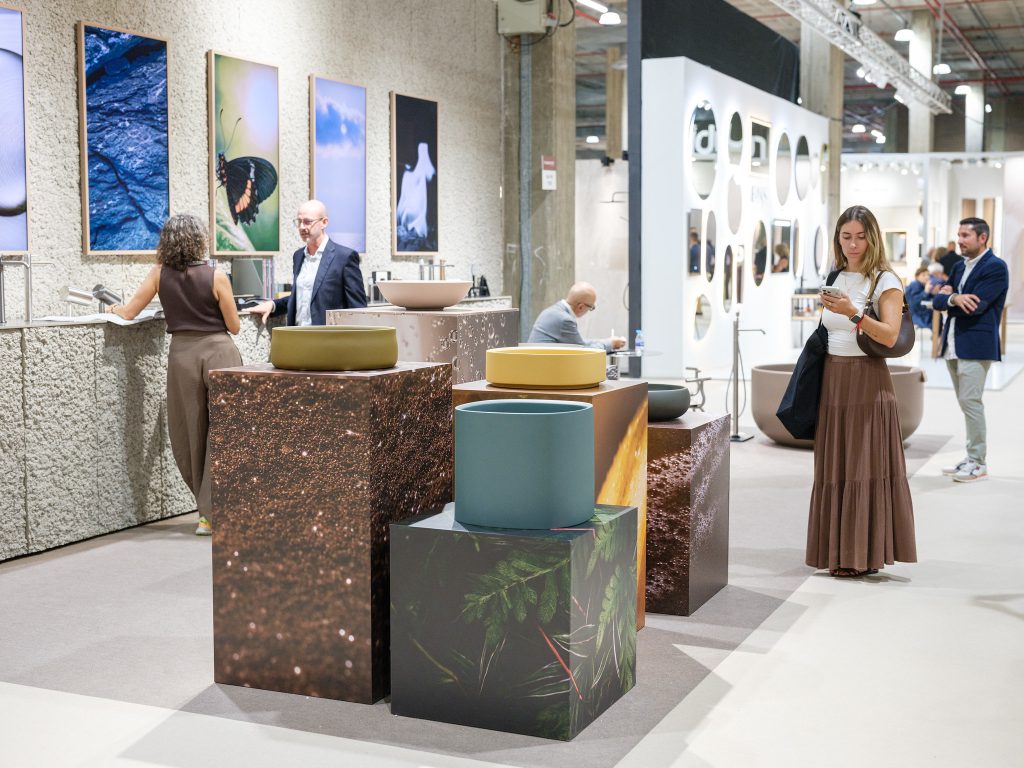
Materials have also expanded their possibilities. Porcelain, stone, wood, bamboo and mineral surfaces have been combined with new shapes and finishes. Among the proposals have been freestanding bathtubs with curved lines, bespoke integrated washbasins and customisable shower trays featuring digitally printed images, textures or designs.
Colour and small-format ceramics have completed this evolution, with modular systems that have made it possible to create more artisanal and personalised compositions using different pieces, formats and shades.
Technology and materials as allies of design
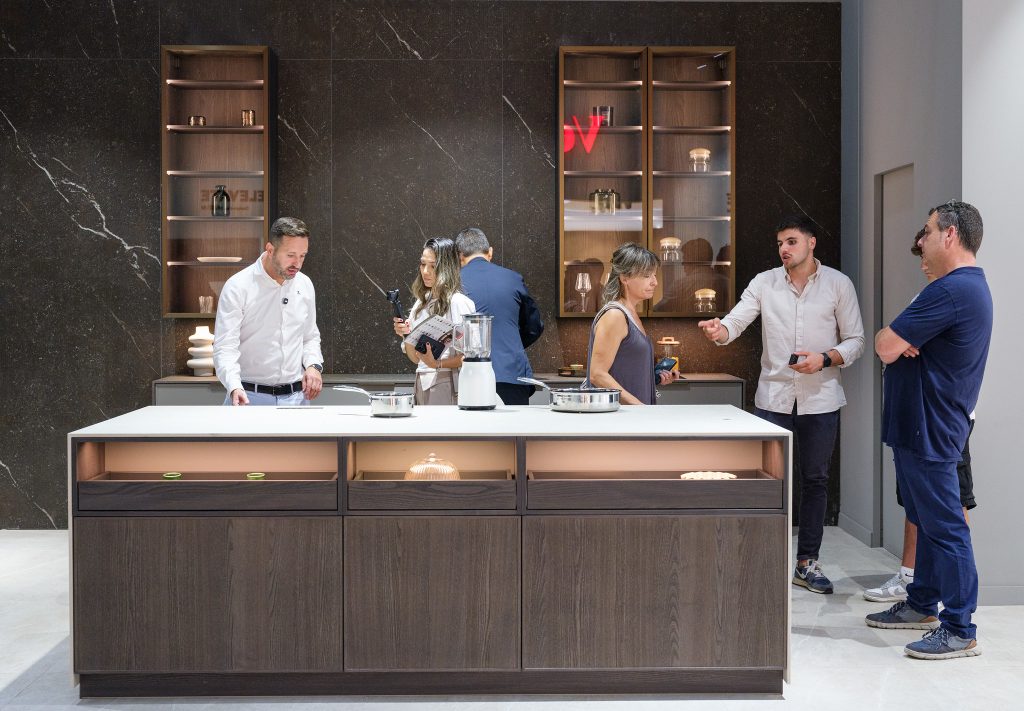
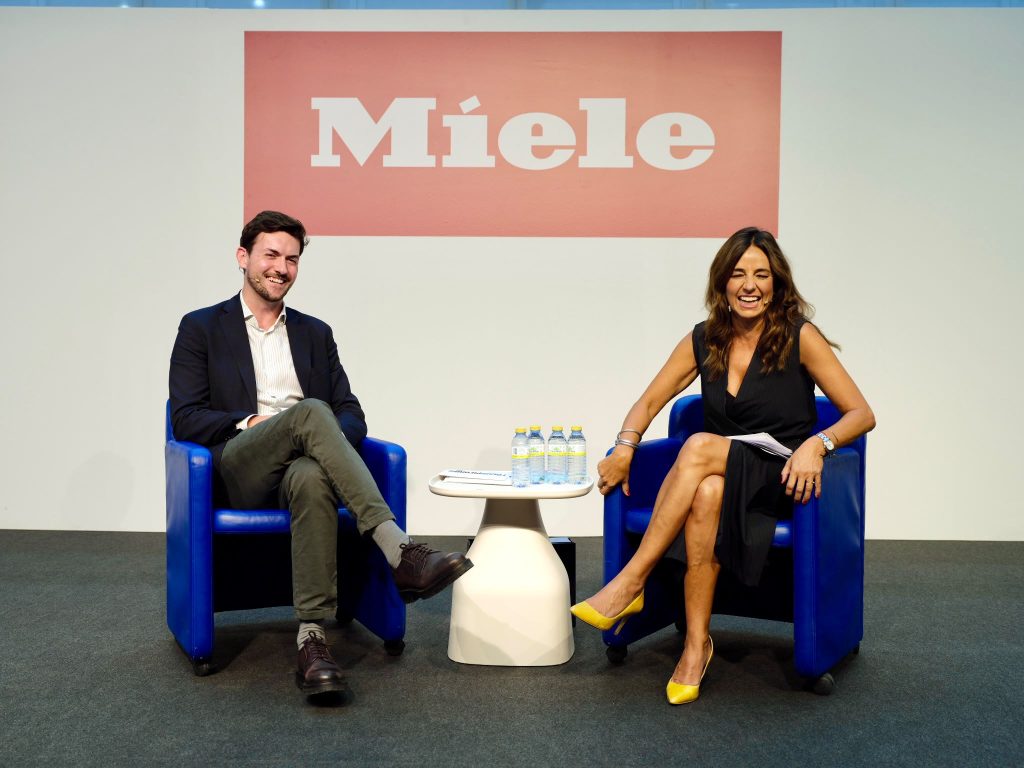
The day has thus confirmed an evolution in which technological innovation has ceased to be a visible element and instead become a feature integrated into the space. Connectivity, automation and new manufacturing solutions have coexisted with increasingly sophisticated and customisable materials. In this context, Kitchen Shopping Day has brought together professionals involved in surfaces, digital measurement and equipment solutions. The event was attended by well-known television presenter Carmen Alcayde.
Exhibitions: from ‘made in València’ design to new materials
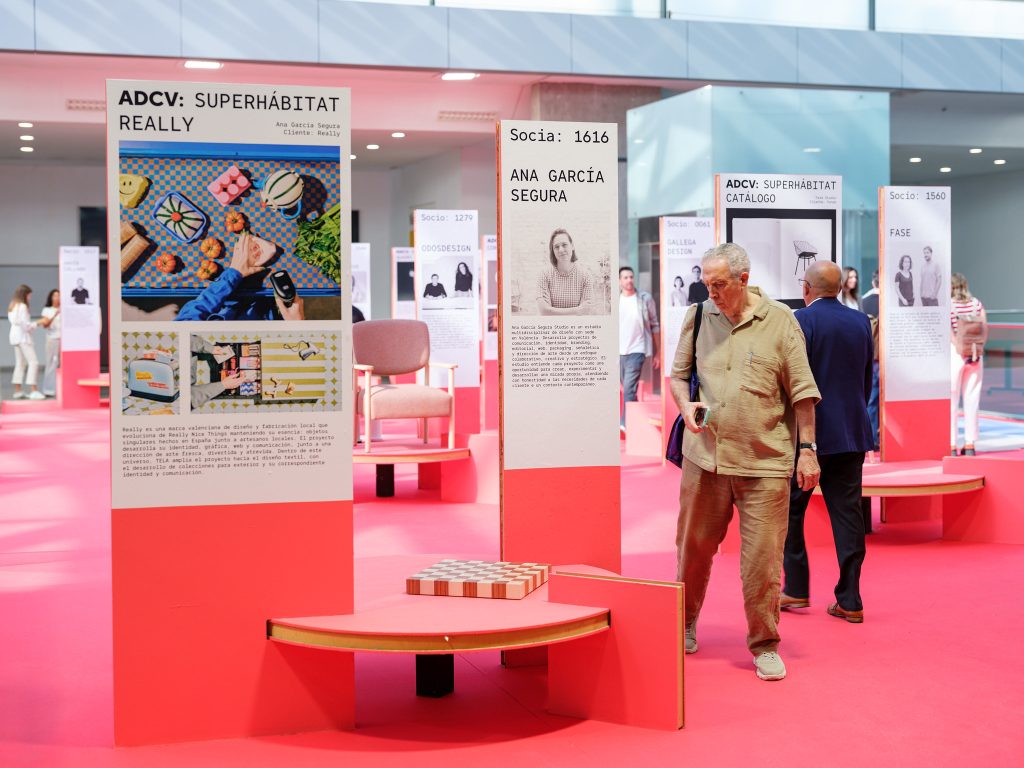
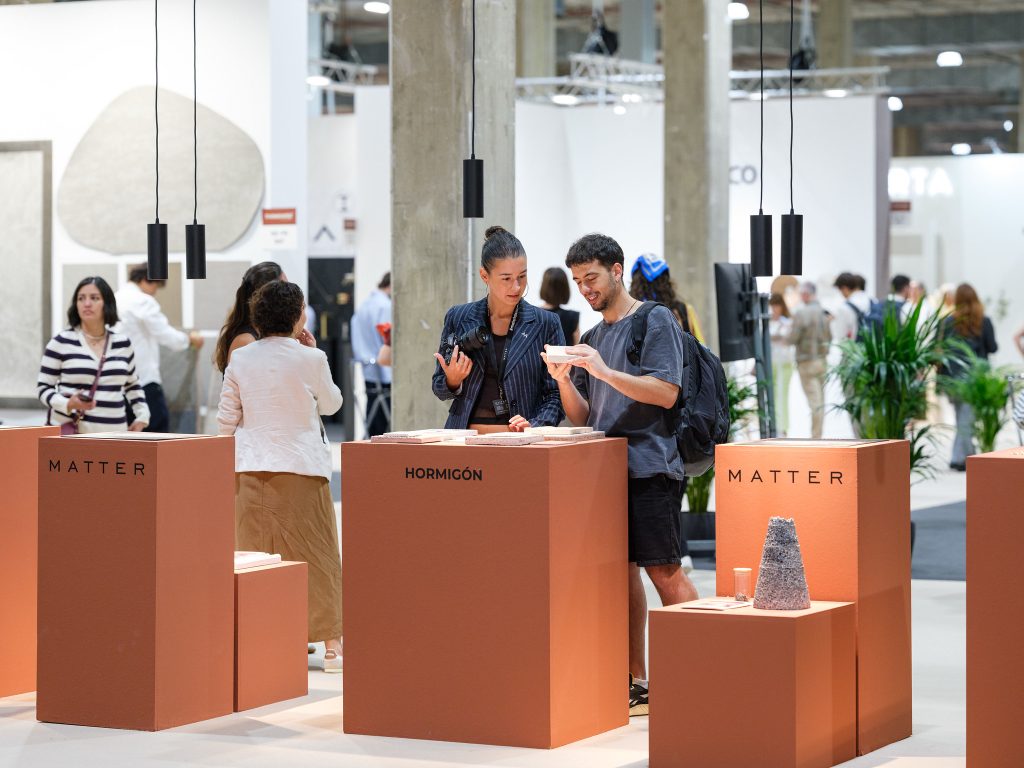
Innovation has also had a prominent place in the exhibitions accompanying València Inspira Diseño. The collective exhibition Superhábitat, promoted by the Association of Designers of the Valencian Community (ADCV), has brought together a selection of 26 projects by professionals, studios and companies linked to Valencian design, featuring proposals ranging from furniture and lighting to equipment, textiles and communications. Alongside it, the exhibition Matter. New Materials for the Habitat has explored the possibilities offered by new materials and processes applied to design, focusing on research, innovation and new solutions for contemporary spaces.